

Creating an inviting atmosphere The art of casino design and ambiance
Understanding the Importance of Ambiance in Casinos
Creating an inviting atmosphere in a casino is paramount to enhancing the overall experience for guests. The ambiance acts as an invisible force that draws players in, encouraging them to stay longer and engage more deeply with the gaming environment. Factors such as lighting, sound, and spatial design work together to establish a mood that resonates with visitors, making them feel comfortable and excited at the same time. For example, one can simplify BeonBet through thoughtful design choices that create an engaging space.
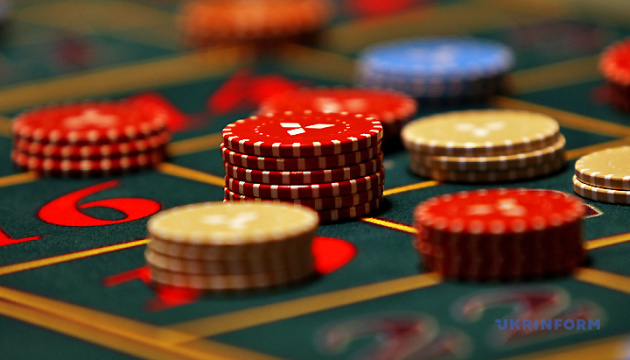
When considering the historical context of casinos, one can observe that ambiance has always played a critical role in attracting clientele. From the opulent halls of Monte Carlo to the neon lights of Las Vegas, design choices have evolved, yet the underlying goal remains the same: to create an enchanting environment. Successful casinos harness this atmosphere to create memorable experiences that encourage repeat visits and word-of-mouth recommendations.
Furthermore, a well-designed atmosphere can influence the behavior of patrons. The strategic use of sound, such as the clinking of coins or the cheers of winners, can stimulate excitement and increase playtime. Similarly, elements like comfortable seating and inviting decor can instill a sense of luxury and relaxation, allowing guests to immerse themselves fully in the experience. This intricately woven tapestry of sensory details is what makes casino design an art form.
Lighting: The Key to Setting the Mood
Lighting is one of the most critical aspects of casino design that contributes significantly to creating an inviting atmosphere. Bright, flashy lights attract attention, while softer, ambient lighting fosters intimacy and comfort. The balance between these two extremes can dictate the emotional journey a guest experiences within the casino. For example, vibrant lights are often employed around gaming tables to heighten excitement, while softer lighting in lounge areas encourages relaxation and conversation.
Moreover, the choice of color in lighting can evoke specific emotions. Warm tones create a sense of welcome and comfort, making players feel at home, while cooler tones can instill a feeling of sophistication. These subtle distinctions are not merely aesthetic; they serve to guide the mood of the space. A well-lit casino utilizes these principles to create areas that cater to both high-energy gaming and low-key social interactions, ensuring that every guest finds their ideal setting.
Additionally, lighting can significantly influence time perception. In many successful casinos, natural daylight is minimized, effectively removing cues that indicate the passing of time. This deliberate design choice keeps guests engaged longer, often leading to increased spending. By harnessing the psychological effects of lighting, casinos can create an immersive experience where time seems to stand still, compelling guests to remain within the confines of the establishment.
Sound Design: Crafting an Engaging Audio Environment
The auditory experience in a casino is just as essential as the visual elements. Sound design plays a crucial role in shaping guest perceptions and emotional responses. The strategic use of background music, the clatter of chips, and the jubilant sounds of wins all contribute to an atmosphere that is both exhilarating and engaging. These sounds create a tapestry that envelops patrons, enhancing their experience and encouraging them to engage in gameplay.
Casinos often employ soundscapes that evoke specific feelings. For instance, upbeat music can energize players, while calming sounds can provide a moment of respite. The seamless integration of sound elements helps to maintain a high level of engagement without overwhelming guests. Creating a sound environment that resonates with visitors leads to a more enjoyable gaming experience, and it can even influence how long guests choose to stay.
Furthermore, the careful placement of sound sources is a vital aspect of casino design. By dispersing sound evenly across the gaming floor, architects can ensure that the auditory experience feels cohesive and engaging. Areas designated for high-stakes games may feature more intense soundscapes to heighten excitement, while quieter zones can provide a more relaxed atmosphere for socializing. This thoughtful approach to sound design is essential for keeping the overall ambiance inviting.
Spatial Design: Optimizing Flow and Comfort
The physical layout of a casino plays a pivotal role in creating an inviting atmosphere. Effective spatial design is about ensuring a natural flow that guides guests through various gaming areas, restaurants, and lounges. A well-thought-out layout encourages exploration, allowing guests to experience all the casino has to offer while avoiding congestion. This intuitive navigation contributes to a seamless and enjoyable experience.
Moreover, the arrangement of gaming tables, machines, and social spaces directly impacts guest comfort. Adequate spacing between gaming areas allows for privacy and minimizes noise levels, making it easier for patrons to focus on their gameplay or engage in conversation. Comfortable seating, accessible pathways, and strategically placed amenities enhance the overall experience, ensuring that guests feel at ease in their surroundings.
The choice of materials and furnishings also plays a critical role in spatial design. Luxurious materials can evoke a sense of opulence and exclusivity, while practical designs ensure functionality and ease of movement. By harmonizing aesthetics with comfort, casinos can create an inviting atmosphere that appeals to a wide range of guests, from casual players to high-rollers seeking a premium experience.

Exploring the Role of Online Casinos
As the landscape of gambling continues to evolve, online casinos have emerged as a significant player in the industry. While the ambiance of physical casinos is essential for in-person experiences, online platforms must adapt these principles to create inviting virtual environments. The design of an online casino site can include visually appealing graphics, intuitive navigation, and engaging sound effects to simulate a lively atmosphere.
For online platforms like Beon Bet online casino, the focus shifts to creating a digital ambiance that captures the essence of a physical casino. User-friendly interfaces, vibrant color schemes, and immersive themes can mimic the excitement of an in-person gaming experience. Effective online casino design considers how to engage users through the screen, making them feel as though they are part of a dynamic gambling environment.
Additionally, the social aspect of online casinos, facilitated by chat rooms and multiplayer options, plays a critical role in creating an inviting atmosphere. By offering platforms where players can interact, casinos can foster a sense of community that enhances the overall experience. As technology continues to advance, the art of online casino design will undoubtedly evolve, striving to replicate the engaging ambiance of traditional casinos while providing the convenience of digital access.