

The Psychology of Gambling Choices
The world of casinos is intricately designed to influence player behavior and decision-making through various psychological techniques. One significant factor is the concept of loss aversion, where individuals are more motivated to avoid losses than to achieve gains. This can lead players to make impulsive decisions, such as continuing to gamble in hopes of recouping their losses, especially when they are aware of options like uk casino fast withdrawal that might seem beneficial. Casinos exploit this psychological factor by creating an environment that encourages players to chase their losses, often leading them to spend more time and money than planned. Understanding this motivates players to engage in a continuous cycle of betting, where the desire to win back lost money overshadows rational decision-making.
Another psychological element is the illusion of control, which convinces players that they can influence the outcome of games that are fundamentally reliant on chance. For instance, players may believe that their skill in a game like poker or their strategic choices in blackjack can sway the odds in their favor. This false sense of ability fosters a deeper emotional investment in the game, often leading to more significant decision-making errors as players become overconfident in their choices. Such overconfidence can result in substantial financial losses, as players may disregard the inherent risks associated with gambling.
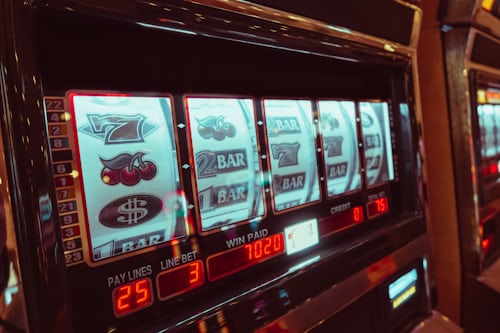
Moreover, the implementation of near misses can significantly impact decision-making. For instance, when players come very close to winning, they may feel encouraged to continue gambling, believing that success is imminent. Casinos leverage these near-miss moments to enhance player engagement, promoting a cycle of continued play and increasing the likelihood of future losses. This cycle is often reinforced through promotional offers that entice players to stay longer and spend more, creating a compulsion to continue playing despite the risks involved.
The Role of Environment and Atmosphere
The physical environment of a casino plays a crucial role in shaping decision-making processes among players. From the layout of gaming tables to the arrangement of slot machines, every element is strategically selected to maximize player engagement and comfort. Bright lights, enticing sounds, and an overall festive atmosphere create a high-energy environment that can lead to impulsive decisions. Patrons may find themselves caught up in the excitement and are more likely to overlook their spending limits. The sensory overload in casinos is designed to heighten emotions, making it easier for players to lose track of their financial boundaries.
Additionally, the absence of windows and clocks in many casinos creates a disorienting effect, enabling players to lose track of time. This design choice can lead to prolonged gaming sessions, resulting in the potential for increased spending and decision fatigue. With no awareness of how much time has passed, players may make poorer choices, dismissing their original budgets and chasing after fleeting wins. The lack of temporal cues can induce a state of mind where players feel detached from reality, increasing their susceptibility to impulsive actions.

The overall ambiance is often accompanied by complimentary services such as free drinks and meals, which also contribute to diminished decision-making capabilities. Alcohol can impair judgment, leading players to make more reckless financial choices. This combination of environmental factors creates a unique space where rational thinking can be overshadowed by impulsive behaviors, ultimately influencing one’s gambling decisions and experiences. Casinos strategically utilize these elements to create an atmosphere that encourages players to stay longer and gamble more, often without realizing the impact of their surroundings.
The Impact of Marketing Strategies
Marketing plays a pivotal role in shaping how casinos attract players and influence their decisions. Promotional offers, such as free spins or matched deposits, are designed to create a sense of urgency that can skew decision-making. Patrons may feel compelled to take advantage of these offers quickly, often acting impulsively without fully considering the potential consequences. This strategic marketing approach encourages players to gamble more than they ordinarily would, driven by the fear of missing out on lucrative opportunities. Consequently, marketing strategies are tailored to exploit psychological triggers that prompt immediate engagement.
Furthermore, targeted advertising and loyalty programs are employed to create a sense of belonging among players. By offering exclusive rewards and personalized experiences, casinos can foster emotional attachment, encouraging individuals to return for future visits. This emotional connection can cloud judgment, as players may find themselves making decisions based on their loyalty to the casino rather than rational financial considerations. As players become more invested in their loyalty programs, they may overlook the financial risks associated with their gambling habits.
Social proof also plays a significant role; seeing others win big can lead to irrational decision-making as individuals assume they can replicate those successes. This phenomenon, where players observe others celebrating victories, may trigger a desire to increase their betting to experience similar thrills. Consequently, marketing strategies designed to showcase the excitement of the gaming experience can lead to impulsive choices that prioritize immediate gratification over long-term benefits. The allure of witnessing others’ successes creates a psychological pressure to engage in higher stakes, often resulting in regrettable financial decisions.
Technology and Decision-Making in Casinos
With the rise of technology in the gaming sector, casinos have adopted advanced algorithms and data analysis to influence player decisions significantly. These technologies can track player behavior and tailor experiences to maximize engagement. For example, through personalized notifications and recommendations based on past play, casinos can encourage higher spending and prolonged gambling sessions. This targeted approach creates a more compelling environment that plays directly into the decision-making process, amplifying the impact of psychological factors on player behavior.
Moreover, digital gaming platforms utilize gamification techniques to keep players engaged. Features such as progress bars, achievements, and competition with others can make the gambling experience more addictive. The drive to complete challenges or reach new levels can lead individuals to make less rational decisions, focusing more on the immediate rewards rather than the potential risks of excessive gambling. Gamification transforms the gambling experience into a game-like scenario, where players may overlook the seriousness of their financial commitments.
In addition, the integration of mobile technology allows players to gamble anytime and anywhere, further complicating decision-making. Instant access to games increases impulsivity, making it easier for players to engage without considering their gambling habits or financial limits. This convenience can create a cycle of irresponsible decisions, with players often unaware of how quickly their spending can accumulate in a digital setting. The constant availability of gaming platforms blurs the lines between leisure and compulsion, making it imperative for players to recognize the potential for negative consequences.
Understanding Your Choices on Gaming Websites
Many people engage with casino gaming websites, which offer unique environments that also affect decision-making. These online platforms utilize similar psychological principles as physical casinos, including color schemes, sound effects, and promotional tactics, to entice users. Players may find themselves drawn into the online experience without fully considering their gambling behaviors, leading to decisions influenced by the platform’s design rather than rational thought. The virtual environment is crafted to keep players engaged, often at the expense of their financial well-being.
Additionally, online casinos often feature instant gratification mechanisms that can impact user choices. The immediacy of placing bets and receiving results can create a fast-paced environment that encourages impulsive decisions. Players may find it easy to overspend as the barrier of physical cash is removed, often leading to significant financial consequences. The ease of online transactions can desensitize players to the reality of their spending, fostering a disconnect between their actions and the actual financial implications.
It is crucial to recognize the strategies employed by both physical casinos and online platforms to influence decision-making. By fostering awareness of these tactics, players can better navigate their gambling experiences and make more informed choices. Understanding the psychological, environmental, and technological factors at play can empower individuals to manage their gambling behaviors responsibly and effectively, leading to healthier gaming habits. As players become more conscious of the influences surrounding them, they can develop strategies to mitigate impulsive behaviors and make decisions that align with their financial goals.