

The Allure of Casino Games
Casino games have an inherent allure that captivates millions of players around the globe. This appeal is deeply rooted in human psychology, where the thrill of risk and reward plays a significant role. Players are often drawn to the excitement of winning, which can create a temporary euphoric state. This state of excitement is fueled by the unpredictability of outcomes in games like slots, blackjack, and roulette, which encourages players to keep trying their luck. Furthermore, many people have discovered online australian casinos as a means to experience this thrill from the comfort of their homes.
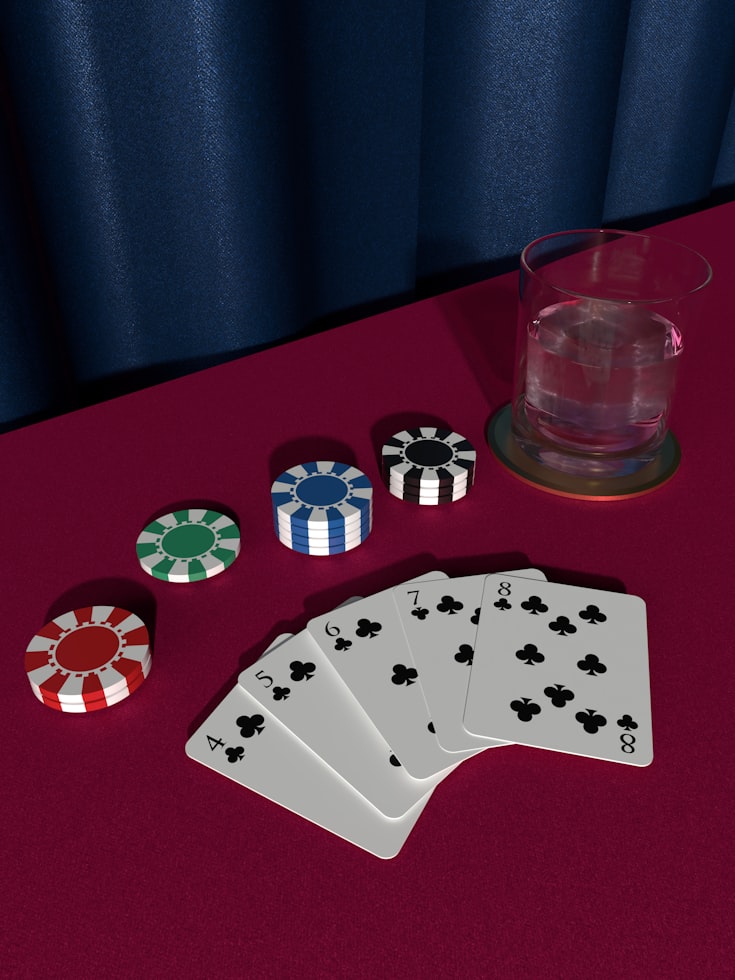
Moreover, the environment of a casino amplifies the psychological impact of gaming. The use of lights, sounds, and even scents is strategically implemented to enhance the gaming experience and keep players engaged. This sensory stimulation can lead to a trance-like state, making it difficult for players to manage their time and resources effectively. Such design elements make casinos not just places of gambling, but rather complex psychological environments that influence player behavior.
The Role of Cognitive Biases
Cognitive biases significantly shape how players perceive outcomes in casino games. One common phenomenon is the “gamblers fallacy,” where individuals believe that past events influence future outcomes. For example, if a roulette wheel has landed on red multiple times, a player may feel that black is ‘due’ to appear. This misconception can lead to continued play and increased betting, driven by the false belief that luck will eventually shift in their favor. The cycle of these beliefs often culminates in patterns that are hard to discern, leaving players unaware of the risks involved.
Another cognitive bias is the illusion of control, where players think they can influence the outcomes of games based on skill or strategy. While certain games do require skill, many are fundamentally based on chance, yet players often overestimate their ability to control the result. This bias can lead to the continuation of play, as individuals convince themselves that they can beat the odds.
Emotions and Decision-Making
Emotions play a crucial role in decision-making processes within casinos. When players are in a heightened emotional state—whether excitement from winning or frustration from losses—they may make impulsive bets or chase losses. This emotional rollercoaster can lead to compulsive gambling behavior, as individuals seek to replicate the thrill of winning or escape the negativity of losing.
Additionally, the concept of ‘near misses’ can exacerbate this emotional response. When players come close to winning—such as hitting two out of three symbols on a slot machine—they often feel a sense of achievement or encouragement. This feeling can inadvertently reinforce their behavior, leading them to play more, driven by the hope that the next spin will bring a win.
The Social Aspect of Gambling
The social dynamics of gambling can also influence player behavior. Many players engage in casino games as a form of social interaction, whether with friends, family, or even strangers. This communal aspect can enhance the overall experience, making it more enjoyable and encouraging individuals to return. Casinos often foster this environment by offering lounges, bars, and social events, promoting a sense of belonging among players. Ultimately, this shared experience can deepen emotional connections and drive increased participation.
Additionally, peer pressure can play a significant role in gambling behavior. Observing others win or celebrating victories can motivate individuals to gamble more, as they want to share in that excitement. This social reinforcement can lead to increased time and money spent in the casino, as players may feel compelled to keep up with their peers.

New Horizons Learning Centres and Responsible Gaming Education
At New Horizons Learning Centres, we recognize the importance of understanding the psychology behind gambling to promote responsible gaming. Our educational programs include courses on the effects of gambling, helping individuals understand their behaviors and minimize risks. By providing knowledge and resources, we aim to empower individuals to make informed decisions regarding gaming activities. This education is vital for ensuring that individuals can navigate their experiences in gaming arenas responsibly.
Our commitment to fostering a safe and supportive learning environment ensures that students are equipped with the tools necessary to engage in responsible gaming practices. Through our diverse offerings, we strive to enhance awareness and understanding of the psychological factors at play in casino gaming, paving the way for healthier player experiences.